Astrocytoma
Astrocytoma is a tumor that develops from astrocytes-cells that provide support and nourishment to neurons. It is one of the most common neoplasms of the central nervous system. The disease can be either benign or malignant and gradually affects brain function.


Features of Astrocytoma
The tumor may be slow-growing or aggressive. Even in benign cases, it can compress surrounding tissues and disrupt nervous system functions. The main challenge in treatment lies in the tumor’s location and its tendency to recur.
Causes of Astrocytoma
The exact causes remain unclear. However, the following contributing factors have been identified:
Genetic mutations
Hereditary predisposition
Radiation exposure
Chronic inflammatory processes in the nervous system
Carcinogens
In most cases, astrocytoma develops spontaneously.
Classification of Astrocytoma
Tumors are classified according to their grade of malignancy:
Pilocytic (Grade I) – slow-growing, more common in children
Diffuse (Grade II) – tends to progress gradually
Anaplastic (Grade III) – malignant and rapidly growing
Glioblastoma (Grade IV) – the most aggressive form
This classification is essential for selecting treatment strategies and assessing prognosis.
Symptoms of Astrocytoma
The clinical presentation depends on the tumor’s location and growth rate.
Primary Astrocytomas
In slow-developing cases, the following symptoms may appear:
Headaches
Impaired memory and concentration
Seizures
Weakness in limbs
Secondary Astrocytomas
More aggressive tumors may cause:
Speech and coordination difficulties
Severe fatigue
Changes in emotional and mental state
Early medical attention improves treatment outcomes.
Diagnosis of Astrocytoma
Diagnostic tools include:
MRI with contrast – provides accurate information on the tumor’s size and location
CT scan – helps assess the extent of tissue involvement
Biopsy – required to confirm tumor type
Comprehensive diagnostics help determine the optimal treatment plan.
Treatment of Astrocytoma
Modern treatment of astrocytoma is highly individualized and based on tumor type, stage, and the patient’s condition.
Surgical Treatment
The primary method is surgical removal. Where feasible, complete resection is performed; in complex cases, partial removal is done.
Radiation Therapy
Radiation is used to destroy residual tumor cells following surgery.
Chemotherapy
Aims to suppress tumor cell growth and division. Advanced drugs are used to enhance effectiveness. Temozolomide is the primary chemotherapeutic agent for glioblastoma and other malignant brain tumors. It is a standard therapy and often administered with radiation to improve disease control.
Radiosurgery
A non-invasive method using focused radiation beams, minimizing damage to healthy tissues.
Targeted Therapy
This modern approach uses drugs that act on molecular mechanisms within tumor cells. For astrocytomas, it is important to determine IDH gene mutations, which allow for personalized treatment. In cases with an IDH mutation, IDH inhibitors may slow tumor growth and improve outcomes. Molecular genetic profiling, including IDH status, is becoming a standard in diagnosis and treatment planning for astrocytomas.
Complications and Side Effects of Treatment
Possible post-treatment effects include:
Speech and motor impairments
Memory and concentration issues
Seizure syndrome
Adverse reactions to chemotherapy and radiation
Timely rehabilitation helps minimize complications and improve quality of life.
Rehabilitation Period
The recovery program after astrocytoma treatment includes:
Supportive medications
Physiotherapy and therapeutic exercises
Sessions with speech therapists and psychologists
Ongoing monitoring by specialists
A comprehensive rehabilitation plan helps restore lost functions and improve independence.
Survival Prognosis
Outcomes depend on tumor grade, extent of brain involvement, and treatment timing. Benign tumors can often be completely removed, while malignant forms require long-term therapy and follow-up. Properly selected treatment regimens can significantly improve survival rates.
Prevention of Astrocytoma
There are no specific preventive measures. To reduce risk, it is recommended to:
Seek medical evaluation for any concerning symptoms
Minimize exposure to radiation
Maintain a healthy lifestyle
Astrocytoma in Children and Adolescents
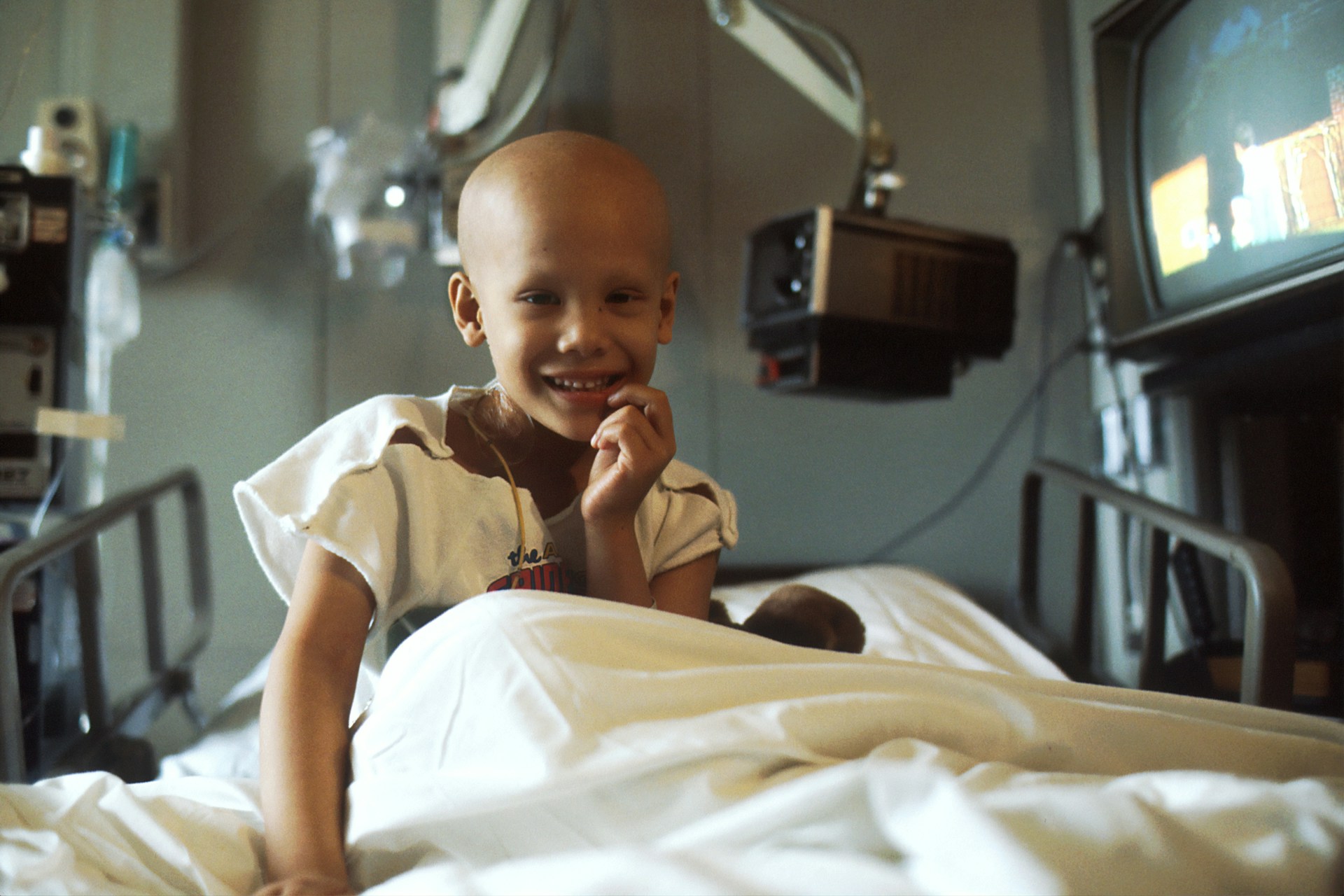
Astrocytomas in children and adolescents require special attention and a tailored approach. Treatment is provided in pediatric neurosurgery centers, taking into account developmental factors and long-term effects. Pilocytic astrocytomas in children are often successfully treated, and in some cases, no further therapy is needed after removal.
The Iratour assists families from other countries in arranging treatment for their child at top clinics in Russia and Belarus. We identify specialized centers with expertise in pediatric neuro-oncology, connect families with the right physicians, and support them throughout the process-from document collection and initial consultations to hospitalization, surgery, and rehabilitation. With Iratour, parents can focus on supporting their child, while we manage all organizational matters.
Common Types of Astrocytoma in Children
Frequently diagnosed forms include:
Pilocytic benign tumors
Anaplastic forms with more severe progression
Key symptoms in children are headaches, coordination issues, nausea, and behavioral changes. Early diagnosis significantly increases the chances of successful treatment and recovery.
Care Assistants
We’re here not just to arrange treatment in Russia and Belarus - but to be with you every step of the way. At Iratour, a personal assistant who speaks your language will guide and support you - from your first consultation to your safe return home.
Iratour Medical Services
Choose a package that works for you - from choosing your doctor to full-service travel and treatment


Communication in your native language
Personalized selection of doctor and clinic
Scheduling an online consultation with a doctor
Details on treatment options, duration, and costs
Guidance on how to organize your treatment and visit to Russia
Classic
Take the first step - we’ll match you with the best clinic and physician
99$
We handle it all - from visa assistance to personal support at the clinic
All services from the Classic package
Visa support, transfers, flight and hotel bookings
Personal coordinator who speaks your language
Payment for treatment in your local currency
Insurance against unexpected service cost increases
250$
Premium services with personal assistants
All services from the Comfort package
Dedicated medical advisor
Premium service: transfers, hotel, and personal assistants.
Premium experience in the clinic: private accommodation and meal plan
Custom rehabilitation plan
Private, personalized excursions
650$
800$
Comfort

Luxurious
950$
1200$
Iratour Medical Services
Choose a package that works for you - from choosing your doctor to full-service travel and treatment

Communication in your native language
Personalized selection of doctor and clinic
Scheduling an online consultation with a doctor
Details on treatment options, duration, and costs
Guidance on how to organize your treatment and visit to Russia
Classic
Take the first step - we’ll match you with the best clinic and physician
99$
Comfort
We handle it all - from visa assistance to personal support at the clinic
All services from the Classic package
Visa support, transfers, flight and hotel bookings
Personal coordinator who speaks your language
Payment for treatment in your local currency
Insurance against unexpected service cost increases
650$
250$
800$
Luxurious
Premium services with personal assistants
All services from the Comfort package
Dedicated medical advisor
Premium service: transfers, hotel, and personal assistants.
Premium experience in the clinic: private accommodation and meal plan
Custom rehabilitation plan
Private, personalized excursions
950$
1200$
Your treatment journey made simple
fill the form and we will contact you soon
Contact
We're here to help you plan your journey.
info@emi-belarus.com
© 2026. All rights reserved.
Mob. +79050405152 Tel. +375172584711
Mob. +79050405152
Tel. +375172584711